
"coffee structure"
7000 article(s) found

Is there a "honeycomb structure" inside the roasted coffee beans?
Coffee enthusiast, Professor Yukio Hiroase of Kanazawa University in Japan, has a doctorate in engineering and specializes in computational mechanics. the boss has studied coffee beans with a hundred and twenty thousand scientific spirit and achieved the following results: 1 the interior of roasted coffee beans is honeycomb structure. different roasting methods form different honeycomb structures. (2) the diameter of honeycomb cavity is basically 0.01mm, that is, about 10 microns.

Knowledge of coffee roasting honeycomb structure of roasted coffee beans
Coffee enthusiast, Professor Yukio Hiroase of Kanazawa University in Japan, has a doctorate in engineering and specializes in computational mechanics. the boss has studied coffee beans with a hundred and twenty thousand scientific spirit and achieved the following results: 1 the interior of roasted coffee beans is honeycomb structure. different roasting methods form different honeycomb structures. (2) the diameter of honeycomb cavity is basically 0.01mm, that is, about 10 microns. three
Basic knowledge of coffee honeycomb structure of roasted coffee beans
Coffee enthusiast, Professor Yukio Hiroase of Kanazawa University in Japan, has a doctorate in engineering and specializes in computational mechanics. the boss has studied coffee beans with a hundred and twenty thousand scientific spirit and achieved the following results: 1 the interior of roasted coffee beans is honeycomb structure. different roasting methods form different honeycomb structures. (2) the diameter of honeycomb cavity is basically 0.01mm, that is, about 10 microns. three

Basic knowledge of coffee honeycomb structure of roasted coffee beans
Coffee enthusiast, Professor Yukio Hiroase of Kanazawa University in Japan, has a doctorate in engineering and specializes in computational mechanics. the boss has studied coffee beans with a hundred and twenty thousand scientific spirit and achieved the following results: 1 the interior of roasted coffee beans is honeycomb structure. different roasting methods form different honeycomb structures. (2) the diameter of honeycomb cavity is basically 0.01mm, that is, about 10 microns. three
Honeycomb structure of coffee beans Common sense of roasting coffee beans
Coffee enthusiast, Professor Yukio Hiroase of Kanazawa University in Japan, has a doctorate in engineering and specializes in computational mechanics. the boss has studied coffee beans with a hundred and twenty thousand scientific spirit and achieved the following results: 1 the interior of roasted coffee beans is honeycomb structure. different roasting methods form different honeycomb structures. (2) the diameter of honeycomb cavity is basically 0.01mm, that is, about 10 microns. three
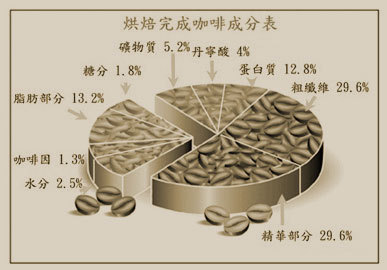
Dissecting the structure diagram of coffee fruit to understand the component content and structure of coffee beans
The main source of protein calories is protein, and like dripping coffee, most of the protein will not dissolve, so no matter how much coffee you drink, the nutrition you get is limited, which is why coffee will become a sacred food for dieters. Sugar: without sugar, you will not only feel the bitter taste of caffeine and the sour taste of tannin, but also feel the sweet taste.
Coffee roasting knowledge the interior of roasted coffee beans is "honeycomb structure"
Coffee enthusiast, Professor Yukio Hiroase of Kanazawa University in Japan, has a doctorate in engineering and specializes in computational mechanics. the boss has studied coffee beans with a hundred and twenty thousand scientific spirit and achieved the following results: 1 the interior of roasted coffee beans is honeycomb structure. different roasting methods form different honeycomb structures. (2) the diameter of honeycomb cavity is basically 0.01mm, that is, about 10 microns. three
General knowledge of Baking of Fine Coffee Honeycomb structure of roasted coffee beans
Coffee enthusiast, Professor Yukio Hiroase of Kanazawa University in Japan, has a doctorate in engineering and specializes in computational mechanics. the boss has studied coffee beans with a hundred and twenty thousand scientific spirit and achieved the following results: 1 the interior of roasted coffee beans is honeycomb structure. different roasting methods form different honeycomb structures. (2) the diameter of honeycomb cavity is basically 0.01mm, that is, about 10 microns. three
Basic knowledge of coffee the inside of roasted coffee beans is "honeycomb structure"
Coffee enthusiast, Professor Yukio Hiroase of Kanazawa University in Japan, has a doctorate in engineering and specializes in computational mechanics. the boss has studied coffee beans with a hundred and twenty thousand scientific spirit and achieved the following results: 1 the interior of roasted coffee beans is honeycomb structure. different roasting methods form different honeycomb structures. (2) the diameter of honeycomb cavity is basically 0.01mm, that is, about 10 microns. three
Coffee Bean Roasting Knowledge The interior of roasted coffee beans is a "honeycomb structure"
Coffee lovers, Professor Hirose Yukio of Kanazawa University in Japan is a doctor of engineering, specializing in computational mechanics. The boss has conducted research on coffee beans with 120,000 scientific spirit and achieved the following results: 1. The interior of roasted coffee beans is honeycomb structure, and different roasting methods form different honeycomb structures. 2 The diameter of honeycomb cavity is basically 0.01mm, that is, about 10 microns. 3
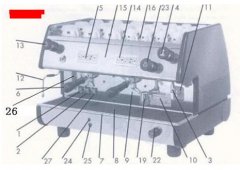
Structure Analysis of semi-automatic Coffee Machine
For the introduction of some basic structure of the semi-automatic coffee machine, the author will share with you here. I hope the above analysis can give you a better understanding of this semi-automatic machine.

Basic knowledge of high-quality coffee beans honeycomb structure of coffee beans
I read a coffee magazine and one of the interviews was very interesting. Coffee enthusiast, Professor Yukio Hiroase of Kanazawa University in Japan, has a doctorate in engineering and specializes in computational mechanics. the boss has studied coffee beans with a hundred and twenty thousand scientific spirit and achieved the following results: 1 the interior of roasted coffee beans is honeycomb structure. different roasting methods form different honeycomb structures. 2 Honeycomb cavity

What is the structure of coffee fruit? can you eat it? seven structural effects and functions of peeling coffee fruit layer by layer
Professional coffee knowledge exchange more coffee bean information please follow the coffee workshop (Wechat official account cafe_style) front street-coffee bean structure introduction coffee fruit has many layers from the inside out, the outermost is: coffee peel. Depending on the variety, the color of the coffee pericarp will start from the beginning with the process of maturity.

Structure decomposition Map of Coffee Fruit-description of Flavor in planting Environment and region
Structure decomposition Map of Coffee Fruit-Fruit structure of Coffee-the flavor description of the growing environment and the taste of some coffee fruits have only one seed (5%-20% of the total), which is caused by fertilization or environmental factors, resulting in a serious deterioration of the seed growth on one side, which looks round (in this case, the seeds on the other side will not be produced), this round coffee bean, we call it.

How to judge how the milk foam of latte cappuccino coffee affects the taste of coffee
Professional coffee knowledge exchange more coffee bean information please pay attention to the coffee workshop (Wechat official account cafe_style) cappuccino, latte, Xiaobai coffee are coffee drinks containing milk, if these coffee drinks lack of foam, we can not enjoy the smooth and full taste. Do you know what happens when milk is heated with a steam stick? Once the milk has gone through the hair
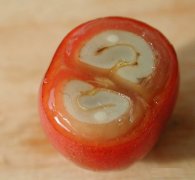
Illustration of coffee | dissection of the internal structure of coffee beans
Coffee bean close-up, coffee bean internal cross-section map of the coffee fruit after the peel of the freshly ripe coffee fruit on the tree, the coffee fruit without the peel, inside two coffee beans with endocarp, silver peel coffee bean coffee fruit internal structure (coffee fruit includes exocarp, mesocarp, pectin layer, endocarp, coffee bean silver skin, endosperm, embryo.) Internal knot of coffee beans

Anatomical structure Diagram of Coffee Bean
Go to the coffee taste network to exchange coffee bean close-up, coffee bean internal cross-cut map of the newly ripe coffee fruit on the tree after the peel of the coffee fruit is cut, the coffee fruit after the peel is removed, inside two coffee beans with endocarp, silver peel coffee bean coffee fruit internal structure (coffee fruit includes exocarp, mesocarp, pectin layer, endocarp, coffee bean silver skin, endosperm
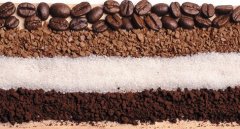
Honeycomb structure of roasted coffee beans
Coffee enthusiast, Professor Yukio Hiroase of Kanazawa University in Japan, has a doctorate in engineering and specializes in computational mechanics. the boss has studied coffee beans with a hundred and twenty thousand scientific spirit and achieved the following results: 1 the interior of roasted coffee beans is honeycomb structure. different roasting methods form different honeycomb structures. (2) the diameter of honeycomb cavity is basically 0.01mm, that is, about 10 microns. three
Honeycomb structure of coffee beans
I read a coffee magazine and one of the interviews was very interesting. Coffee enthusiast, Professor Yukio Hiroase of Kanazawa University in Japan, has a doctorate in engineering and specializes in computational mechanics. the boss has studied coffee beans with a hundred and twenty thousand scientific spirit and achieved the following results: 1 the interior of roasted coffee beans is honeycomb structure. different roasting methods form different honeycomb structures. 2 Honeycomb cavity

Disassembly of coffee roaster-brand structure diagram of hot air coffee roaster
Coffee roaster disassembly-hot air coffee roaster brand structure diagram direct type and semi-hot air type drum structure is very different, but the basic condition is to have a suitable speed of mixing blades that can roast beans evenly. If you put as many raw beans as the capacity of the roaster, it will cause uneven baking and difficult exhaust. Most of the causes come from the structure of stirring blades. Baking